Top 10 Types of Women’s Uniform Pants for Global Buyers?

For global buyers, Women’s Uniform Pants are no longer a basic purchasing line. They influence comfort, workplace confidence, movement, and brand consistency. A receptionist needs a clean drape. A nurse needs stretch and easy care. A warehouse worker needs reinforced seams and reliable pocket placement.

Market data shows why this category deserves closer attention. Grand View Research valued the global workwear market at approximately USD 17.7 billion in 2023, with continued growth expected through 2030. Fortune Business Insights also identifies durability, protective performance, and changing workplace standards as major market drivers. However, these reports usually combine men’s and women’s workwear. They do not fully explain women’s fit requirements. That gap matters.

Achim Berg, a senior partner at McKinsey, described fashion as entering “a period of uncertainty.” His observation applies to uniform sourcing too. Buyers must control cost while handling fabric shortages, varied body shapes, climate differences, and replacement schedules. Price alone is not enough.

This guide examines ten practical types of Women’s Uniform Pants for international procurement teams. The selection considers fabric weight, waistband comfort, stretch recovery, color stability, sizing consistency, and production scalability. Details matter. A two-centimeter rise difference can change all-day comfort. A weak zipper can damage an otherwise strong uniform program.

No ranking can fit every workplace. That is the imperfect part. A polished office may prefer tailored trousers, while a hotel team may need washable, flexible chinos. Buyers should test samples with real staff before placing large orders. That small step often exposes problems that catalog photography hides.
Top 10 Types of Women’s Uniform Pants for Global Buyers?

What Women’s Uniform Pants Are and Why Global Buyers Need Them

Women’s uniform pants are purpose-built trousers for staff who work in healthcare, hospitality, logistics, security, education, and public services. They combine professional appearance with movement, storage, durability, and easier care. Common choices include straight-leg trousers, stretch chinos, cargo pants, joggers, utility pants, and high-visibility designs.

The need is substantial. ILOSTAT reported that women represented about 40% of global employment in 2023. Yet many uniform programs still begin with men’s sizing and simply reduce measurements. That approach can create tight waistbands, loose hips, restricted movement, and uncomfortable knee placement. A perfect size chart is still not a perfect fit. Global buyers should review waist-to-hip ratios, inseam options, fabric stretch, pocket access, and laundering performance before ordering.

Grand View Research estimates the global workwear market reached roughly US$42 billion in 2023, with continued growth expected through 2030. Its market analysis highlights durability, comfort, and protective performance as important purchasing factors. For buyers, this means uniform pants should match real working conditions. Lightweight polyester blends suit warm indoor environments, while cotton-rich fabrics may feel better during long shifts. Cargo pockets help field workers, but they can look excessive in reception areas. Water-resistant finishes may assist outdoor teams, though they can reduce breathability. Some purchasing decisions remain too focused on low unit price. Replacement rates, staff acceptance, and washing costs deserve equal attention.

How Women’s Uniform Pants Are Classified by Cut, Fabric, and Function

Top 10 Types of Women’s Uniform Pants for Global Buyers

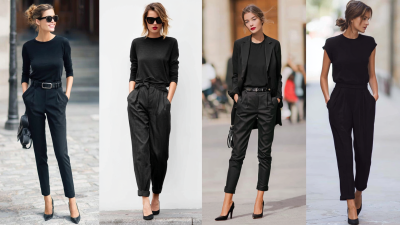
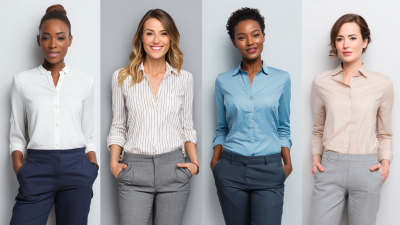
For global buyers, classification starts with cut. Movement, appearance, and sizing problems often appear together. Straight-leg and slim-leg pants suit office and reception teams. Bootcut styles balance heavier footwear. Wide-leg and pleated pants improve airflow, but excess fabric may catch on equipment. High-waist and mid-rise options change comfort during bending and long standing. Cargo and utility pants add pockets for tools, although pocket placement can affect a clean uniform image. Jogger styles support active roles, but elastic cuffs may not suit formal workplaces. These ten cut options require practical fitting tests, not only catalog images.

Fabric determines durability and daily comfort. Polyester-cotton blends offer easy care and a familiar hand feel. Stretch twill supports kneeling, reaching, and repeated walking. Recycled fibers may support purchasing goals, but buyers should verify performance claims. Lightweight fabrics feel cooler, yet they can show pocket outlines or wear faster. Heavy twill protects better in demanding work, though it may feel warm indoors. Check shrinkage, colorfastness, seam strength, and fabric weight before approving samples.

Function separates attractive trousers from dependable uniform pants. Healthcare teams often need soft stretch and easy washing. Hospitality staff may prefer pressed, stain-resistant trousers with a polished line. Warehouse roles need reinforced seams, secure pockets, and safe movement. Office teams usually value clean shaping and wrinkle control. A perfect classification rarely exists. Local climate, body proportions, laundering methods, and job tasks can change the best choice. Sample testing can expose assumptions early. Sometimes, the most elegant cut is simply uncomfortable.

Top 10 Types of Women’s Uniform Pants for Global Buyers? - How Women’s Uniform Pants Are Classified by Cut, Fabric, and Function

No. Uniform Pant Type Typical Cut & Silhouette Common Fabric Composition Primary Function Typical Work Settings Key Buyer Considerations
1 Straight-Leg Uniform Trousers Even width from the hip or thigh to the hem; usually mid-rise or high-rise with a clean professional line. Polyester/viscose Polyester/cotton Stretch woven Balanced comfort, easy movement, and a formal appearance suitable for daily wear. Office administration, banking, reception, education, public service, and corporate uniforms. A versatile core style; check crease recovery, colorfastness, size grading, and compatibility with blazers or jackets.
2 Slim-Fit Uniform Pants Narrower through the hip and thigh with a tapered leg; designed to follow the body without excessive compression. Polyester/viscose/elastane Cotton/elastane Creates a modern, tailored appearance while maintaining professional coverage. Hospitality, retail, airline ground services, showroom staff, and contemporary office teams. Allow sufficient stretch and ease at the waist, hip, and seat; review fit standards for different regional body profiles.
3 Wide-Leg Uniform Trousers Relaxed silhouette with a generous leg opening from the hip or thigh to the hem; may feature front pleats. Polyester/viscose Lightweight twill Crepe woven Provides airflow, freedom of movement, and a polished contemporary look. Hospitality, cultural institutions, fashion retail, travel services, and warm-climate workplaces. Consider fabric drape, opacity, hem width, and pattern efficiency; very lightweight fabrics may require lining.
4 Bootcut Uniform Pants Fitted through the hip and thigh with a slight flare from the knee toward the hem. Stretch polyester blend Polyester/viscose/elastane Offers a tailored appearance and accommodates low- to medium-profile work footwear. Hospitality, customer service, transportation support, and formal service teams. Define the flare carefully for a consistent uniform image; test the hem length with the required footwear.
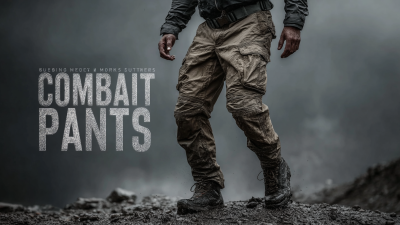
5 Cargo Utility Uniform Pants Relaxed or straight leg with functional side pockets, reinforced stress points, and practical waistband construction. Cotton/polyester twill Ripstop blend Mechanical stretch fabric Supports tool storage, repeated bending, kneeling, and active tasks. Facilities management, logistics, maintenance, security, field service, and outdoor operations. Specify pocket placement, load capacity, bar-tack reinforcement, abrasion resistance, and laundering requirements.
6 Women’s Workwear Chino Pants Usually straight or gently tapered with a structured waistband, slanted front pockets, and welt or patch back pockets. Cotton twill Cotton/polyester Cotton/elastane Combines casual durability with a neat, approachable uniform appearance. Retail, cafés, education, community services, hospitality, and light-duty operations. Check shrinkage control, pocket durability, colorfastness, and whether the fabric remains comfortable in warm conditions.
7 Healthcare Scrub Pants Relaxed straight or jogger-style leg with an elasticated or drawstring waist; designed for frequent movement. Polyester/rayon Polyester/cotton Stretch performance fabric Provides comfort, mobility, easy laundering, and practical storage during clinical work. Hospitals, clinics, dental practices, laboratories, veterinary services, and caregiving facilities. Prioritize colorfastness, low-pilling performance, fluid-resistance options, pocket security, and high-temperature wash testing.
8 Chef and Kitchen Work Pants Relaxed straight leg with a comfortable waistband; may use elastic panels or a drawcord for long shifts. Polyester/cotton twill Cotton twill Herringbone blend Supports prolonged standing, frequent washing, and movement in hot, demanding work areas. Restaurants, hotels, catering operations, bakeries, institutional kitchens, and food production support areas. Evaluate heat comfort, grease visibility, seam strength, waistband security, and compliance with workplace safety requirements.
9 High-Visibility Work Trousers Straight or cargo cut with high-visibility fluorescent panels and retroreflective tape around the legs. Polyester/cotton fluorescent twill Polyester ripstop Water-resistant workwear fabric Improves wearer visibility in low-light or high-risk work environments when used as part of a compliant ensemble. Roadwork, construction, logistics yards, utilities, transport operations, and emergency support services. Confirm applicable local or international visibility standards, tape placement, background material area, and laundering durability.
10 Flame-Resistant Work Pants Regular or relaxed industrial cut with reinforced seams and a construction designed for protective workwear systems. Inherent FR aramid blend FR-treated cotton FR cotton/nylon blend Designed to help reduce burn injury risks from specified thermal hazards when the complete garment system is properly selected. Electrical maintenance, petrochemical operations, welding support, utilities, and industrial processing. Require verified certification for the target hazard, correct labeling, compatible garments, and documented care instructions; do not rely on fabric claims alone.

The Top 10 Styles of Women’s Uniform Pants for Different Workplaces

Women’s uniform pants must match real workplace movement, not only a catalog photograph. In uniform development, I often compare ten practical styles. Straight-leg pants suit offices, schools, and reception teams. Slim ankle pants create a neat profile for clinics and service counters. Wide-leg pants offer airflow in warm hospitality settings. Bootcut pants balance movement with a polished appearance. However, a narrow waistband can become uncomfortable after long shifts.

Cargo pants provide useful pockets for warehouse, maintenance, and care teams. Jogger pants support active work, especially in cleaning and clinical environments. Elastic-waist pants simplify dressing and work well for food service or housekeeping. High-waisted pants give secure coverage during bending and lifting. Small details matter. Pocket depth, seam strength, and fabric recovery should be checked before bulk production. A pocket that looks practical may still spill tools while walking.

Culotte pants suit creative workplaces, reception areas, and warm indoor facilities. Maternity-panel pants support changing body shapes without harsh pressure. Each style needs workplace-specific testing. I recommend checking sitting, climbing, reaching, and repeated washing. A slim cut may look professional, but it can restrict a full stride. Cargo pockets may help one team and annoy another. Fit still matters. Global buyers should also review size grading, fabric weight, color consistency, and care instructions with experienced suppliers. One sample is not enough. Test them.

Top 10 Styles of Women’s Uniform Pants for Different Workplaces

Comparative functional coverage score based on workplace needs such as mobility, durability, professional appearance, comfort, and ease of care. Scores are editorial design ratings, not market-share data.

Cargo and utility pants are well suited to healthcare, logistics, maintenance, and field-service roles, while straight-leg, bootcut, and tailored trousers provide a more formal appearance for offices, hospitality, and customer-facing workplaces.

How to Compare Comfort, Durability, Safety, and Professional Appearance

For global buyers, the top ten women’s uniform pants include cargo, chino, straight-leg, bootcut, jogger, utility, painter, high-visibility, flame-resistant, and stretch-twill styles. Compare the fabric before the silhouette. A 2023 U.S. Bureau of Labor Statistics report recorded 2.6 million nonfatal workplace injuries and illnesses in private industry. Pants cannot prevent every incident, but reinforced knees, secure pockets, and flexible waist panels can reduce daily strain. Check movement by testing squats, stair climbing, and repeated bending.

Durability depends on seam construction, fabric weight, washing instructions, and colorfastness. Cotton-rich twill feels comfortable, while blended fibers often dry faster and resist abrasion. However, heavier fabric may feel hot during long shifts. No scorecard is perfect. A pocket can help one worker and annoy another. For visibility, buyers should compare garment designs with ANSI/ISEA 107-2020 or equivalent national requirements. For protective workwear, ISO 13688:2013 provides general performance principles, but it does not replace hazard-specific standards. The Liberty Mutual Workplace Safety Index estimated that serious workplace injuries cost U.S. employers 58.5 billion dollars in 2022. Procurement teams should request test reports, size measurements, wash-cycle results, and worker trial feedback. Professional appearance also matters: consistent colors, clean lines, stable hems, and limited branding support a credible service image. Fancy details are rarely the best evidence.

What Global Buyers Should Check Before Ordering Women’s Uniform Pants

Global buyers should inspect women’s uniform pants beyond appearance. Start with the work environment: seated office tasks, outdoor movement, repeated washing, or long shifts. Check fabric composition, weight, stretch recovery, and air permeability. A soft fabric may feel comfortable, but it can lose shape quickly. Request shrinkage and colorfastness test results after washing. ISO 13688:2013 also highlights ergonomic fit, labeling, and material safety for protective clothing.

Fit needs evidence. Measure the waistband, rise, hip, thigh, inseam, and knee position across the full size range. Women’s bodies do not scale evenly. A grading rule that works for one size may pinch the waist in another. Inspect pocket depth, zipper strength, bar-tacks, seam allowance, and sitting comfort. Small details matter. Ask for wear trials with real users, not only a mannequin. A perfect sample can still mislead.

Sustainability and supply reliability deserve equal attention. WRAP’s Valuing Our Clothes report found that extending garment life by nine months can reduce carbon, water, and waste footprints by 20–30%. Ask about repairability, spare buttons, recycled content claims, and factory quality controls. UNEP reports that textiles create roughly 2–8% of global greenhouse-gas emissions, so material choices should be documented. Review test reports, production tolerances, lead times, and inspection records before ordering. Some buyers still approve attractive samples too quickly. That mistake is expensive.