Choosing the right baseball cap involves more than matching a logo with an outfit. Buyers must consider fit, fabric, crown shape, brim style, ventilation, and long-term comfort. A cap that looks sharp on a product page may feel tight after several hours. That difference matters.
This guide examines the top 10 types of Baseball Caps, including dad caps, snapbacks, fitted caps, trucker caps, five-panel caps, flat-brim styles, performance caps, military-inspired caps, washed caps, and specialty designs. Each type serves a different purpose. Cotton often feels soft and familiar. Polyester can dry faster during outdoor use. Mesh panels may improve airflow, but they can reduce warmth in cooler weather. Small details count.
Practical buying experience suggests measuring head size before choosing a fitted design. Adjustable closures provide flexibility, especially for shared use or changing hairstyles. Stitching should look even, while the brim should hold its shape without feeling brittle. Sun protection also depends on coverage, fabric density, and how the cap sits on the head. No single style suits every buyer. That is worth admitting.
The “top” choice depends on daily habits, climate, budget, and personal taste. A runner may prefer a lightweight performance cap, while a collector may value an embroidered vintage look. Color can fade. Materials can age unevenly. These imperfections deserve attention, not hidden marketing language. By comparing strengths and limitations, buyers can make a more informed and reliable decision.
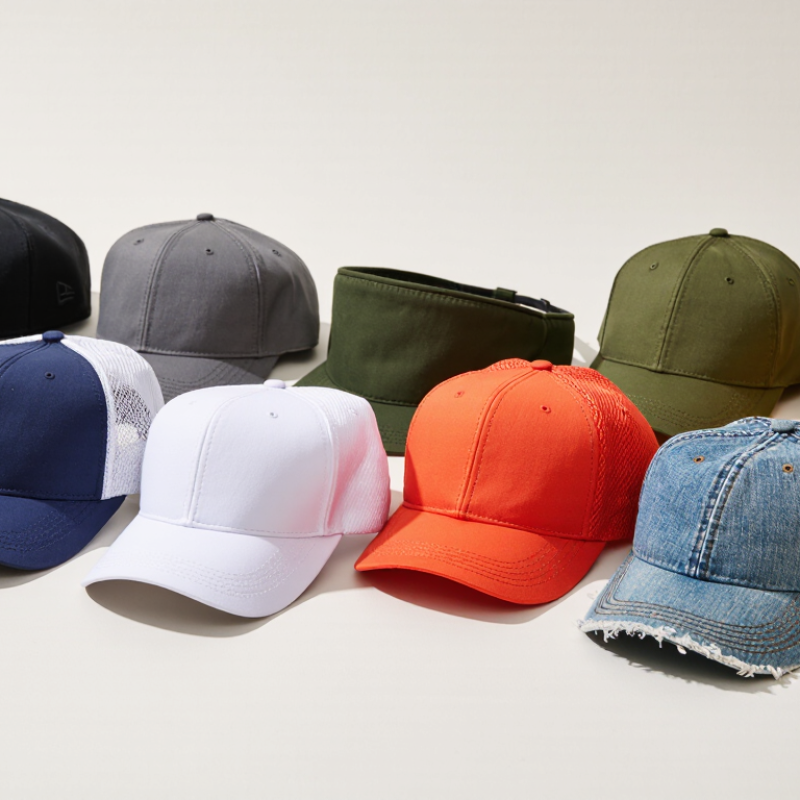
Baseball caps are classified by shape, fit, and construction, not just appearance. The ten common types include six-panel, five-panel, seven-panel, trucker, dad, snapback, fitted, stretch-fit, flat-brim, and performance caps. A six-panel cap creates a rounded crown with visible seams. A five-panel design looks flatter and often suits casual outdoor use. Seven-panel caps offer a slightly unusual profile. They are harder to judge online.
Fit changes the buying experience. Snapback caps use an adjustable rear closure. Fitted caps depend on accurate head measurements. Stretch-fit designs add elastic fibers for flexible comfort. Dad caps usually have a relaxed crown and curved brim. Flat-brim caps keep a stronger, squared silhouette.
Trucker caps use mesh panels for airflow, while performance caps often combine lightweight fabric, sweat control, and a structured front.
The 2024 SFIA Topline Participation Report recorded about 15.6 million U.S. baseball participants in 2023. That broad user base explains why one shape cannot serve every buyer. Grand View Research’s 2024 market analysis also segments baseball caps by product type, material, distribution channel, and region.
Tips: Measure the head above the eyebrows. Check the crown height. Test the brim angle in a mirror. Buyers often ignore seam pressure. That mistake matters after several hours. Cotton may feel softer, but technical fabric usually dries faster. For custom production, inspect stitching density, closure strength, and sweatband attachment before approving bulk samples. One more practical concern: sizing charts are not perfectly consistent, even within similar constructions.
Structured baseball caps keep their front panels firm, creating a clean shape that suits uniforms, retail displays, and everyday outfits. Snapback caps use adjustable rear closures, making them practical for shared orders or changing head sizes. Fitted caps offer a precise feel, but buyers must measure carefully because small sizing errors become uncomfortable quickly. Flexfit styles combine stretch fabric with a shaped crown, giving moderate security without an adjustable strap. Trucker caps include structured fronts and breathable mesh backs, which can feel cooler during outdoor work or warm travel.
Tips: Measure the head above the eyebrows and compare it with the seller’s size chart. Check the crown height, brim curve, closure quality, and sweatband stitching. A firm front should hold its shape without feeling stiff. I once focused too much on appearance and overlooked the rear closure; it loosened after repeated use. That mistake still influences my buying checks. For hot conditions, mesh improves airflow, but it may not suit formal settings. For gifts, snapback designs reduce fitting risks. For team or staff use, consistent sizing and durable stitching usually matter more than decorative details.
Buyers should also inspect product photos for uneven seams, weak eyelets, or a brim that twists off center. A reliable supplier should provide clear measurements and material information. Small details matter. Caps can look identical online yet feel completely different in hand.
Unstructured baseball caps are soft, practical, and easier to wear than rigid, shaped styles. Grand View Research estimates that the global headwear market was worth approximately US$26 billion in 2023. That scale suggests strong demand, but buyers still need to judge comfort, construction, and use carefully.
Dad caps suit everyday errands because their low crown and curved brim create a relaxed profile. Camp caps usually use lightweight fabric and an adjustable strap, making them useful for travel, hiking, and warm weather. Five-panel caps offer a cleaner front panel with fewer seams. They often work well for custom graphics or simple embroidery. Bucket hats provide wider sun coverage, although they can feel less secure in strong wind. Practical details matter. Check sweatband softness, stitching density, ventilation, and colorfastness before ordering.
Technavio’s market analysis identifies product innovation and casual outdoor lifestyles as important growth factors in headwear. That supports demand for lighter, flexible designs, but market reports cannot measure every comfort issue. A cap may look excellent online and still feel tight after two hours. I would not ignore that risk. Buyers should compare crown depth with head measurements, not rely only on adjustable closures. Unstructured caps also crease easily, which some users appreciate and others dislike. Small details decide repeat wear.
This chart compares ten common unstructured cap styles by their typical panel construction. Dad, washed, low-profile, corduroy, and pigment-dyed caps are commonly based on six-panel baseball-cap construction, while camp and five-panel caps typically use five panels. Bucket-cap construction varies by pattern, with six panels shown here as a common configuration.
Performance caps now serve more than casual style. Grand View Research estimated the global headwear market at over USD 20 billion in 2023, with sports use supporting steady growth. Buyers should compare ten practical types: stretch-fit athletic, structured training, running, cycling, golf, moisture-wicking, trucker mesh, perforated mesh, UPF-rated, and neck-covering caps. Each solves a different problem.
Athletic caps should feel light and stable during repeated movement. Look for sweatbands, quick-drying fabric, and adjustable closures. Mesh caps improve airflow, especially in humid conditions, but large openings may reduce dust protection. Sun-protective caps deserve closer inspection. The Skin Cancer Foundation recommends UPF 30 or higher for effective protection, while UPF 50 blocks about 98% of ultraviolet radiation. Protection still depends on coverage, fit, and wear time. A cap alone cannot protect the ears or neck. I sometimes overvalue breathability and forget that exposed skin matters more.
Tips: Check the UPF rating, not just “sun protection” wording. Test the brim while walking, since glare and poor vision can become annoying. For running, shake the cap gently. If it slips, the fit is wrong. Also inspect washing instructions; stretched elastic and flattened brims can quietly reduce performance. Industry testing is useful, but real comfort remains personal. A laboratory result cannot predict every hot, windy afternoon.
Buyers should compare cap types by activity, adjustment, and head shape, not appearance alone. Grand View Research valued the global headwear market at approximately USD 26.5 billion in 2023, showing strong demand across varied uses. The ten practical types include fitted, snapback, strapback, stretch-fit, dad, trucker, five-panel, performance, flat-brim, and visor caps.
Fit changes everything. Fitted caps offer a clean profile but require accurate measurement. Snapback and strapback designs suit shared inventories because their rear closures adjust easily. Stretch-fit caps feel secure during movement, although heat and sweat can reduce comfort. Dad caps use softer crowns and curved brims, making them useful for casual daily wear. Trucker caps provide airflow through mesh panels. They may feel less protective in cold weather. Five-panel caps usually sit higher and suit lightweight outdoor styling. Flat-brim caps create more visual coverage but can feel bulky on smaller heads.
Buyers should test each cap with glasses, ponytails, or helmets when relevant. Performance caps should use moisture-managing fabric and low-weight construction. Circana’s consumer research has repeatedly shown that comfort and versatility influence apparel purchases, but exact preferences vary by age and activity. Measure the crown. Check the sweatband. Also inspect stitching at stress points. Product descriptions often promise “one size fits most,” yet that phrase needs caution. A cap can adjust around the head while still fitting poorly above the ears. EN 13402 sizing guidance can support consistent measurements, although it does not replace an actual wear test.
| No. | Cap Type | Typical Construction | Best Uses | Fit Profile | Closure | Brim and Crown | Main Buyer Advantage | Key Buying Consideration |
|---|---|---|---|---|---|---|---|---|
| 1 | Classic Six-Panel Cap | Six fabric panels joined at a top button, usually with a curved visor. | Everyday wear, outdoor activities, casual uniforms, and promotional programs. | Balanced shape that suits most head profiles; available in structured and unstructured versions. | Hook-and-loop, metal buckle, or fabric strap. | Moderate curved brim; low-to-medium crown. | Versatile design with broad consumer appeal. | Check panel symmetry, seam quality, visor stiffness, and adjustment range. |
| 2 | Five-Panel Camp Cap | Five-panel construction with a continuous front panel and a lightweight, casual profile. | Travel, hiking, festivals, streetwear, and lightweight outdoor use. | Generally shallow to medium fit; works well for buyers who prefer a relaxed silhouette. | Adjustable strap, cord lock, or buckle. | Short-to-medium curved brim; low-to-medium crown. | Lightweight construction and distinctive casual appearance. | Confirm front-panel height and head circumference range before purchasing. |
| 3 | Trucker Cap | Fabric front with a mesh rear section for increased airflow. | Warm-weather work, outdoor events, driving, fishing, and casual wear. | Usually medium-to-high crown with a roomier feel than shallow caps. | Plastic snapback is common; adjustable straps are also available. | Medium curved or semi-flat brim; medium-to-high crown. | Better ventilation than fully fabric-covered caps. | Evaluate mesh softness, snap durability, sweatband comfort, and crown volume. |
| 4 | Snapback Cap | Cap fitted with a row of plastic snaps that allows incremental adjustment. | Streetwear, sports-inspired outfits, events, and general casual use. | Often designed with a structured, medium-to-high crown and a more defined shape. | Plastic snap closure. | Flat or slightly curved brim; medium-to-high crown. | Fast size adjustment without a strap tail. | Check snap spacing, closure strength, and whether the crown is too tall for the wearer. |
| 5 | Fitted Cap | Fixed-size cap without an adjustable rear closure; commonly made in multiple head sizes. | Teamwear, uniforms, collecting, and buyers seeking a clean, uninterrupted appearance. | Precise fit when the measured head circumference matches the size chart. | No adjustable closure. | Usually structured crown with a curved or semi-flat brim. | Smooth appearance and stable fit during movement. | Measure the head circumference accurately; sizing errors are harder to correct. |
| 6 | Stretch-Fit Cap | Elastic fabric or stretch panels provide flexibility around the head. | Active casual wear, sports practice, travel, and daily use. | Close, comfortable fit with less need for manual adjustment; often offered in grouped sizes. | Elastic stretch band; some styles combine stretch fabric with a rear closure. | Curved brim; low-to-medium or medium crown. | Comfortable fit with a streamlined back profile. | Review the size range and fabric recovery because elasticity can change with wear. |
| 7 | Performance Cap | Lightweight technical fabric, moisture-managing sweatband, and ventilating panels or perforations. | Running, golf, hiking, training, and other active outdoor activities. | Low-bulk, secure fit intended to reduce movement during exercise. | Hook-and-loop, buckle, drawcord, or stretch fit. | Curved brim; low-to-medium crown; often includes ventilation zones. | Improved breathability and comfort during physical activity. | Compare fabric weight, sweatband construction, drying behavior, and UV-protection claims. |
| 8 | Dad Cap | Soft, unstructured construction with a relaxed six-panel shape. | Daily casual wear, leisure, travel, and low-intensity outdoor use. | Shallow-to-medium, relaxed fit that conforms more naturally to the head. | Fabric strap, metal buckle, or hook-and-loop closure. | Soft curved brim; low-to-medium crown. | Comfortable, understated style with easy packability. | Look for a comfortable sweatband and enough depth without excessive crown collapse. |
| 9 | Military-Style Cap | Compact cap with a short visor and a relatively straight-sided crown. | Utility clothing, travel, casual uniforms, and fashion applications. | Typically a closer, shallower fit than a high-crown baseball cap. | Adjustable strap, buckle, or fitted construction. | Short, slightly curved brim; low-to-medium straight crown. | Compact profile and practical coverage with a neat appearance. | Check crown circumference and visor length, especially for larger head shapes. |
| 10 | Visor Cap | Open-top design with a brim and an adjustable band around the head. | Tennis, running, golf, beach activities, and situations requiring maximum airflow. | Open crown avoids pressure on the top of the head; fit depends mainly on the headband adjustment. | Hook-and-loop, elastic band, or buckle. | Curved or semi-flat brim; no enclosed crown. | Excellent ventilation and quick access to the hair or scalp. | Assess band width, sweat absorption, brim stability, and sun coverage from different angles. |