
Choosing Sandwich Mesh Fabric can look simple until samples arrive. One roll may feel soft and springy, while another feels stiff beneath the same lining. This three-dimensional textile has two outer layers connected by a spacer yarn, so its structure affects cushioning, airflow, weight, and shape. Small details matter. Mesh depth, yarn type, knit density, and finishing can all change how a fabric performs in a finished product. A close-up photo rarely reveals everything.
These seven tips will help you assess fabric against its intended use, whether you are sourcing material for footwear, bags, seating, or sports equipment. Start with the conditions the product will face: pressure, repeated bending, moisture, abrasion, and regular cleaning. Then compare specifications with physical samples. Press the fabric, check whether it recovers, inspect the edges, and look for uneven spacing or loose filaments. Ask suppliers for details about composition, usable width, weight, color options, and testing methods. Requesting a sample before placing a large order can prevent costly surprises. It is not a guarantee, though. A small swatch may behave differently from a full production roll. Test the material in a realistic construction whenever possible, and keep notes on each sample. One judgment call remains: the softest option is not always the most durable. Careful questions and practical testing make it easier to choose Sandwich Mesh Fabric with confidence, without relying on appearance alone.
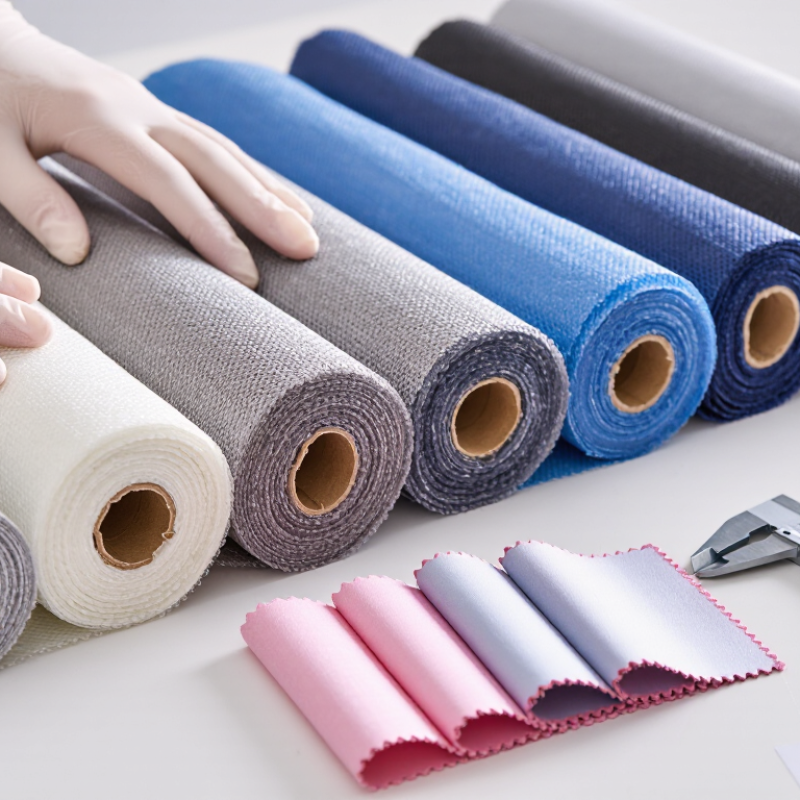
Sandwich mesh is a three-dimensional textile, usually made from two knitted faces joined by spacer yarns. The middle layer creates a small air gap and adds cushioning. It is used in shoe uppers, backpacks, sportswear, and ventilated seat or chair panels. Not all constructions feel alike. A soft sample may compress quickly, while a firmer one can feel rough against skin.
Textile Exchange’s Materials Market Report 2024 estimates that global fiber production reached 124 million tonnes in 2023, with polyester making up 57%. This is broad industry context, not a figure for sandwich mesh specifically. Polyester is common in these fabrics because it can offer durability and quick drying, but fiber content alone does not predict comfort. Check the fabric’s weight, thickness, air permeability, and recovery after compression.
Footwear is one practical use to consider. APICCAPS’s World Footwear Yearbook 2024 reports roughly 22.4 billion pairs produced worldwide in 2023; that figure does not mean every shoe uses mesh. For a sample, bend it, press the center layer, and inspect whether the faces separate or snag. Small details matter. Ask for abrasion and airflow test results when the fabric will face repeated use. A swatch can mislead, too: the finished seams and lining may change how breathable it feels.
Sandwich mesh typically has two outer mesh faces joined by a spacer-yarn system. When buying, consider thickness, weight, airflow, compression recovery, and durability, then match these properties to the intended use, such as footwear, bags, sportswear, or upholstery.
Before comparing sandwich mesh fabrics, define where the fabric will sit and what it must do. A backpack back panel needs airflow, shape retention, and resistance to rubbing against clothing. A shoe lining faces sweat, repeated flexing, and pressure from the foot. An outdoor seat may need faster drying and stronger UV resistance. Same structure. Different job.
Turn those needs into measurable requirements. Specify thickness under a stated test pressure, air permeability, tensile strength, abrasion resistance, and compression recovery. ASTM D737 measures air permeability under controlled conditions; compare results only when test conditions match. Ask for samples and test data, then check the fabric on the actual product. A mesh that feels airy in hand can flatten under load. That detail matters.
Material choice also affects sourcing. Textile Exchange’s Materials Market Report 2024 estimates that global fiber production reached 124 million tonnes in 2023, with polyester making up 57%. That scale can make polyester options easier to source, but it does not prove a particular mesh will perform well. Specify yarn type, weight, color, finish, and acceptable tolerances in writing. One caveat: lab results are not field experience. I would test a sewn panel through repeated compression and washing before committing to volume; it takes time, and sometimes the first specification misses the real use case.
Sandwich mesh is a three-dimensional knit, but fabrics with similar names can feel very different. Polyester options often offer good shape retention and quick drying. Nylon versions may feel softer or handle rubbing well, though construction matters more than fiber alone. Check the material details, not just the label. Rub a sample between your fingers; a stiff surface may feel uncomfortable against skin or under straps.
Weight, usually listed in grams per square meter, helps compare fabric amounts. A heavier mesh can feel more supportive, but it is not automatically stronger or more breathable. Thickness is a separate measurement. A thick spacer layer may cushion a backpack panel, while a lighter one can suit a ventilated lining. Feel the difference. Press the fabric and see whether it springs back or stays compressed.
Breathability depends on yarn, knit structure, and the size and openness of the mesh cells. Hold a swatch toward a light source, then blow gently through it. This quick check is useful, but it cannot replace testing during wear. I would compare samples at the same size and note airflow, softness, and recovery after washing. Spec sheets help, yet they can leave out the detail that matters most: how the fabric feels against the intended garment or gear.
When buying sandwich mesh, judge the layers, not just the surface. Rub a sample between your fingers, stretch it gently, and check whether the spacer yarns spring back. Record weight, thickness, width, color, and air permeability in the specification. Small differences matter. Textile Exchange’s 2024 Materials Market Report estimates global fiber production reached 124 million tonnes in 2023, making clear material descriptions and traceable claims increasingly important. Ask suppliers to identify fiber composition and provide test reports tied to the actual fabric lot, not an unrelated sample.
Check certifications against your intended use. OEKO-TEX STANDARD 100 tests textile articles for harmful substances, but confirm the certificate covers the exact fabric or components you are purchasing. For recycled-content claims, request applicable chain-of-custody documents, such as Global Recycled Standard certification, and verify that the product scope matches. Paperwork helps. It is not the whole story. A certificate cannot guarantee every roll will feel or perform identically.
Supplier reliability shows in the details: clear replies, realistic lead times, consistent batch records, and a practical plan for defects. Request a production sample, then compare it with the delivered roll under the same light and measurement conditions. Ask how the supplier handles shade variation or broken spacer yarns. I would not treat a polished sample as proof of steady production; that assumption is easy to make, and worth challenging.
Request samples from the same production lot, not only a showroom swatch. Check mesh thickness, weight, stretch recovery, color, and bonding between the outer layers and spacer yarns. Sew a small panel into your intended product. Sit on it, bend it, and wash it if care instructions allow. A flat sample can hide puckering or weak edges. One swatch is not enough.
Textile Exchange’s Materials Market Report 2024 estimates global fiber production reached 124 million tonnes in 2023, with polyester accounting for 57 percent. That scale does not guarantee a consistent fabric grade. Ask suppliers to state fiber content and weight in writing, then compare those details with your approved sample. Small, but important. I would also keep one signed sample for later checks; it is easy to forget how a color looked under daylight.
Request a complete quotation before placing an order. Confirm price per meter, currency, freight, sample charges, and any fees for custom colors or finishes. Ask whether minimums apply per order, color, or fabric construction. Lead times should separate sample approval, production, and dispatch. Get the dates in writing, and ask what happens if approval is delayed. A low unit price can lose its appeal when minimums exceed your usable quantity. It is an awkward detail, but worth checking.
| Step | What to Check | What to Request or Test | What to Confirm in Writing |
|---|---|---|---|
| 1 | Define the intended use | Specify the application, required cushioning and airflow, expected wear, color, and any coating or lamination requirements. Sandwich mesh construction and performance can vary by design. | Fabric construction, material composition, usable width, color, finish, and the intended application for the quoted specification. |
| 2 | Request representative samples | Ask for a swatch or sample cut from the proposed production specification. Check thickness, hand feel, stretch, recovery, appearance, and whether the layers remain securely joined. | Sample size, sample cost, shipping cost, dispatch date, and whether the sample matches the fabric that would be supplied for production. |
| 3 | Test relevant properties | Choose tests based on the end use. Common methods include fabric mass (ASTM D3776), grab tensile strength (ASTM D5034), air permeability (ASTM D737), and abrasion resistance (ASTM D4966). Confirm the applicable method and edition with the testing provider. | Test method, conditioning and test details, results, acceptance limits, and whether testing is performed by the supplier or an independent laboratory. |
| 4 | Compare specifications | Compare samples against the same criteria, including mass per unit area, thickness, width, color, and measured performance. Do not assume that similar appearance means equivalent performance. | Permitted tolerances for each agreed specification and the process for handling material that falls outside those tolerances. |
| 5 | Confirm complete pricing | Request a written quotation for the exact specification and order quantity. Check the currency, price basis, packaging, freight, duties, taxes, payment terms, and any sample, setup, or testing charges. | Unit of sale (such as price per metre or per yard), quoted quantity, quote validity, included and excluded costs, and any price breaks. |
| 6 | Check minimums and order increments | Ask whether minimums apply per order, color, construction, or production run. Confirm whether small trial orders are available and whether quantities must be ordered in set increments. | Minimum order quantity for each specification and color, order increments, and any additional charge for quantities below the standard minimum. |
| 7 | Verify lead times before ordering | Separate sample development, sample dispatch, production, and shipping time. Ask when the production clock starts and whether the quoted timing depends on material availability or approval. | Estimated dates or working-day ranges for each stage, the event that starts the schedule, shipping method, and how delays or schedule changes will be communicated. |