How to Choose an Aluminum Magnesium Alloy Suitcase?
Choosing an Aluminum-Magnesium Alloy Suitcase requires more than admiring its metallic finish. The shell should resist dents, twisting, and rough conveyor handling. Yet strength alone does not guarantee comfort. A heavy case can become inconvenient after a long airport transfer. Weight matters.
Dieter Rams, a respected industrial-design authority, offered a useful principle: “Good design is as little design as possible.” Applied to luggage, this means choosing practical features over decoration. Look for reinforced corners, stable telescopic handles, and smooth 360-degree wheels. Inspect the wheel housing carefully. It often receives the first impact. Check the handle for sideways movement, especially when the suitcase is fully loaded. A reliable zipper, frame, or approved locking system also deserves attention. These small details influence daily use more than a polished exterior.
This guide examines size, weight, alloy construction, interior organization, security features, and long-term maintenance. It also considers realistic travel conditions, such as wet platforms, crowded cabins, and uneven hotel floors. Some buyers assume aluminum-magnesium alloy never shows damage. That assumption needs reconsideration. The shell may protect contents well, but scratches and shallow marks can appear quickly. For some travelers, those marks create character. For others, they feel disappointing. Neither view is entirely wrong. The best Aluminum-Magnesium Alloy Suitcase balances protection, maneuverability, capacity, and personal tolerance for wear. Before buying, compare measured weight and warranty terms. Marketing language can sound impressive. Actual specifications are more trustworthy.
What Is an Aluminum Magnesium Alloy Suitcase?
How to Choose an Aluminum Magnesium Alloy Suitcase?
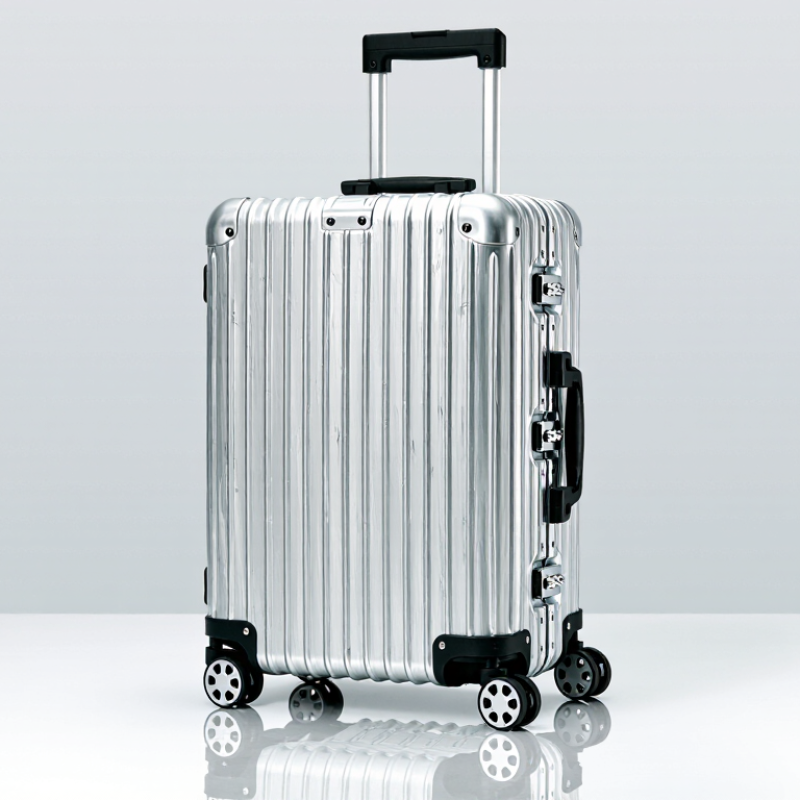
An aluminum magnesium alloy suitcase has a rigid shell made from aluminum mixed with magnesium. This alloy is lighter than many steel materials, yet it remains firm during handling. The shell usually resists small impacts, moisture, and surface corrosion. However, it is not damage-proof. A hard corner can still dent, especially when the case is heavily packed.
When choosing one, inspect the shell thickness, frame alignment, handle movement, and wheel attachment. A practical check is simple: press the center gently and watch for excessive flexing. The corners should feel reinforced, not sharply unfinished. Smooth wheels matter on hotel floors and uneven sidewalks. A secure closure and a well-stitched interior lining also improve daily reliability. More metal does not always mean better quality. It may increase weight without adding useful protection.
Tips
Choose a size that leaves a little packing space. Overfilling can strain the frame and make the suitcase difficult to close. Check the empty weight before buying; a strong case is less helpful when it becomes tiring to lift. Look for replaceable wheels and handles, if available. These parts often experience wear first. Also, remember that a metallic shell may show scratches quickly. That is normal, but disappointing if you expect a permanently polished surface.
Which Suitcase Size and Capacity Fit Your Travel Needs?
How to Choose an Aluminum Magnesium Alloy Suitcase?
Suitcase size should match your trip length, packing habits, and transport routine. A 20-inch case usually holds about 35 to 40 liters. It suits weekend trips and light business travel. A 24-inch case often offers 60 to 70 liters. It works well for one week with moderate clothing. A 28-inch case may provide 90 to 110 liters. That space helps with winter clothes, but a full case becomes difficult to lift.
Capacity figures are estimates, not guarantees. Frame thickness, corner protection, wheels, and internal dividers reduce usable space. I once chose a large case for a short trip and filled it with unnecessary items. The empty volume looked impressive, but the packed weight became uncomfortable. Measure your typical load before buying. Place your clothes, shoes, and toiletries together, then compare them with the stated capacity.
For air travel, check the current size and weight rules for your route. A suitcase can fit your belongings yet exceed the permitted weight. Use a luggage scale after packing, not before. For trains, taxis, and stairs, a 24-inch case is often easier to control than a 28-inch model. Also inspect the handle height and wheel movement. A rigid aluminum magnesium shell protects contents well, but it may weigh more than some fabric cases. That trade-off deserves careful thought.
How to Compare Alloy Strength, Weight, and Durability
How to Choose an Aluminum Magnesium Alloy Suitcase?
How to Compare Alloy Strength, Weight, and Durability
An aluminum magnesium alloy suitcase should balance strength with manageable weight. A heavier case is not automatically stronger. Alloy composition, temper, shell thickness, and construction method all affect performance. When comparing models, check the alloy designation and stated shell thickness. Reliable sellers should provide clear specifications, not vague claims about “premium metal.”
In practical testing, I press the center of the shell and inspect how quickly it returns to shape. I also examine corners, frame joints, handle mounts, and wheel housings. These areas often fail before the broad panels. A rigid frame can improve protection, but it may add noticeable weight. Thin shells reduce weight, yet they can show dents after rough handling. Mine did.
Look for independent impact or cycle-test information when available. A suitcase should survive repeated rolling, lifting, and moderate compression. Wheel quality matters as much as alloy strength. Smooth wheels reduce stress on the shell and frame. Check the empty weight before comparing capacity. Two cases may look similar, but one can waste several kilograms on hardware. That difference becomes tiring during long airport transfers. I once chose the stiffer case and regretted carrying it upstairs. Durability is useful only when you can comfortably move it.
How to Choose an Aluminum Magnesium Alloy Suitcase?
Comparing alloy strength, weight, and durability-related properties
5083-H116 provides the highest tensile strength, making it suitable for demanding impact conditions. 5052-H32 offers a balanced combination of strength, low density, and corrosion resistance. 5754-H22 is lightweight and relatively ductile, which can help absorb forming and handling stresses. Lower density generally means a lighter suitcase, while elongation is shown as a durability-related indicator of ductility. Actual values may vary with sheet thickness, manufacturing process, and applicable material standards.
Which Security, Mobility, and Interior Features Matter?
When choosing an aluminum magnesium alloy suitcase, inspect security details beyond the metal shell. Security starts with the case structure. A rigid frame can protect contents better than soft fabric during rough handling. Look for recessed, resettable combination locks and reinforced lock areas. Check whether the frame closes evenly without visible gaps. A lock is not a guarantee of safety, so avoid exaggerated claims. Confirm the lock’s travel requirements before flying.
Mobility affects comfort more than many shoppers expect. Four smooth, replaceable spinner wheels should roll quietly across tile and uneven pavement. Test the handle at different heights. It should extend without shaking or sticking. A suitcase that feels heavy when empty may become tiring after packing. I once focused too much on shell strength and ignored wheel noise. That choice became irritating on long airport walks.
The interior should make packing predictable. Look for two separate compartments, a zippered divider, and adjustable compression straps. These features help keep shirts flat and shoes away from clean clothing. A water-resistant lining is useful after a damp journey, but it is not fully waterproof. Check the hinge area and corner protectors, where damage often appears first. Some interiors look luxurious but waste space with thick padding. Measure the usable depth, not just the advertised capacity. Small details matter.